Outline
- Introduction
- Key Benefits
- Community Wellbeing
- Economic Growth
- Social Cohesion
- Free Events and Accessibility
- Event Challenges
- Future Trends
- Conclusion & Call to Action
Introduction
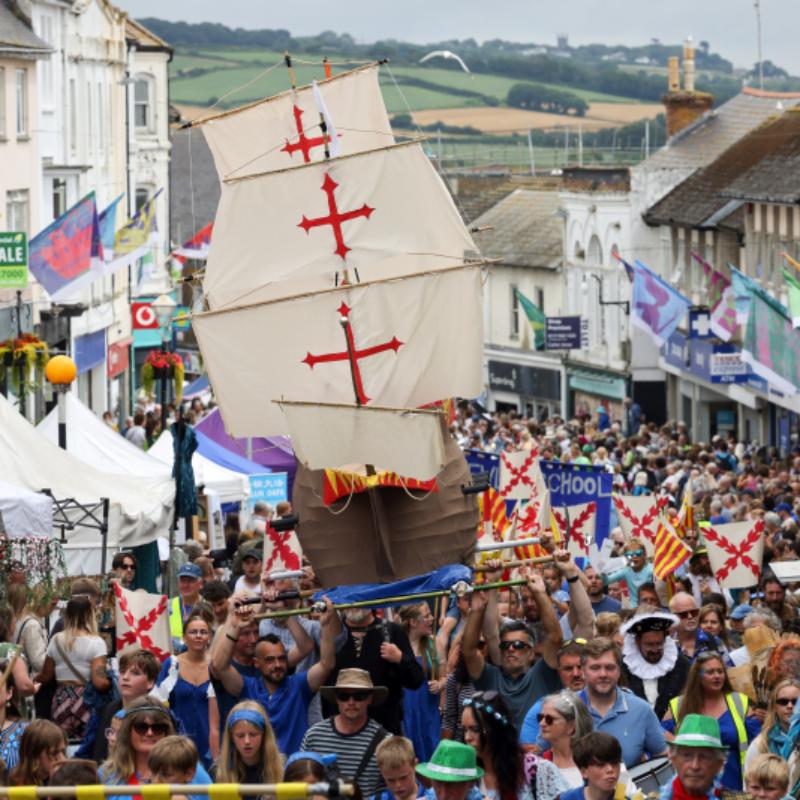
Walk through any town square during a heritage festival or community fair, and you’ll see more than just stalls and performances, you’ll witness the heartbeat of a place. These events are not simply celebrations of culture; they are catalysts for emotional wellbeing, economic vitality, and civic pride. For business owners, councils, BIDs (Business Improvement Districts), and heritage organisations, investing in such events is not a luxury, it’s a strategic necessity.
As Dr. Claire Mitchell, a cultural economist, once said: “Community events are the glue that binds people to place, and place to prosperity.”
Key Benefits
Emotional Wellbeing
Community and heritage events provide a sense of belonging and joy that directly impacts mental and emotional health.
- Stress reduction: Shared celebrations reduce isolation and foster positive emotions.
- Identity and pride: Heritage events reinforce cultural identity, giving residents a sense of continuity and meaning.
- Intergenerational connection: Events bring together young and old, strengthening bonds across age groups.
Case Study: In York, the annual Viking Festival not only attracts thousands of visitors but also provides residents with a renewed sense of pride in their city’s history. Surveys showed that 78% of attendees felt “more connected” to their community after participating.
Economic Growth
Events are powerful economic engines.
- Boosting local businesses: Restaurants, shops, and hotels see increased footfall during festivals.
- Job creation: Temporary employment opportunities arise in event management, catering, and security.
- Tourism revenue: Heritage events attract visitors from outside the region, generating long-term tourism interest.
Data Insight: According to the Association of Town & City Management, community events can increase local retail sales by up to 30% during peak festival days.
Case Study: The Ludlow Food Festival in Shropshire generates over £10 million annually for the local economy, proving that heritage-themed events can be both culturally enriching and financially rewarding.
Social Cohesion
Events strengthen the social fabric of towns and cities.
- Inclusivity: They provide spaces where diverse groups can celebrate together.
- Volunteering: Local residents often volunteer, fostering social responsibility.
- Partnerships: Businesses, councils, and heritage organisations collaborate, building long-term trust.
Case Study: The Belfast Mela, a multicultural festival, has become a symbol of unity in a city once divided. It now attracts over 60,000 visitors annually, with businesses and councils working together to deliver a safe, inclusive celebration.
Free Events and Accessibility
Free events are particularly powerful because they remove barriers to participation, ensuring that everyone, regardless of income, can benefit.
- Equity of access: Free entry ensures inclusivity for low-income families and individuals.
- Community reach: Larger, more diverse audiences attend when cost is not a barrier.
- Economic ripple effect: Even without ticket sales, free events drive spending in local shops, cafes, and transport.
- Trust building: Free events demonstrate that councils and organisations value community wellbeing over profit.
Case Study: The Notting Hill Carnival in London, one of Europe’s largest free street festivals, attracts over two million visitors annually. Despite being free to attend, it generates an estimated £93 million for the London economy, proving that accessibility and economic impact can go hand in hand.
Event Challenges
While the benefits are clear, challenges remain:
- Funding pressures: Securing sustainable funding is often difficult, especially for smaller towns.
- Logistical complexity: Organising large scale events requires coordination across multiple stakeholders.
- Balancing heritage and modernity: Ensuring events remain relevant to younger generations while preserving tradition.
- Environmental impact: Waste management and carbon footprint are growing concerns.
Case Study: The Bath Christmas Market faced criticism for overcrowding and waste. In response, organisers introduced eco-friendly stalls and digital ticketing, showing how challenges can be turned into opportunities.
Future Trends
Looking ahead, community and heritage events are evolving:
- Digital integration: Hybrid events with livestreams and virtual tours expand reach.
- Sustainability focus: Eco-conscious planning, from reusable cups to carbon-neutral performances.
- Health and wellbeing themes: Events increasingly incorporate wellness activities like yoga, mindfulness, and healthy food stalls.
- Cross-sector collaboration: Stronger partnerships between councils, BIDs, and heritage organisations to share resources and expertise.
Case Study: The Edinburgh Fringe Festival has piloted “green venues” and digital ticketing, setting a precedent for sustainable and accessible event planning.
Ready to Take the Next Step?
Community and heritage events are more than festivities, they are investments in the mental health, economic resilience, and social cohesion of towns and cities. For business owners, councils, BIDs, and heritage organisations, the message is clear: supporting these events is not optional, it’s essential.
As urban strategist James Carter puts it: “A thriving town is not built on bricks alone, but on the stories and celebrations that bring those bricks to life.”
If you are a business leader, council member, or heritage professional, consider how your organisation can deliver or contribute to the next community event. Whether through sponsorship, volunteering, or strategic planning, your involvement will help ensure that towns and cities remain vibrant, resilient, and connected.
Leave a Reply